Wood Betony
(Betonica officinalis/Stachy officinalis)
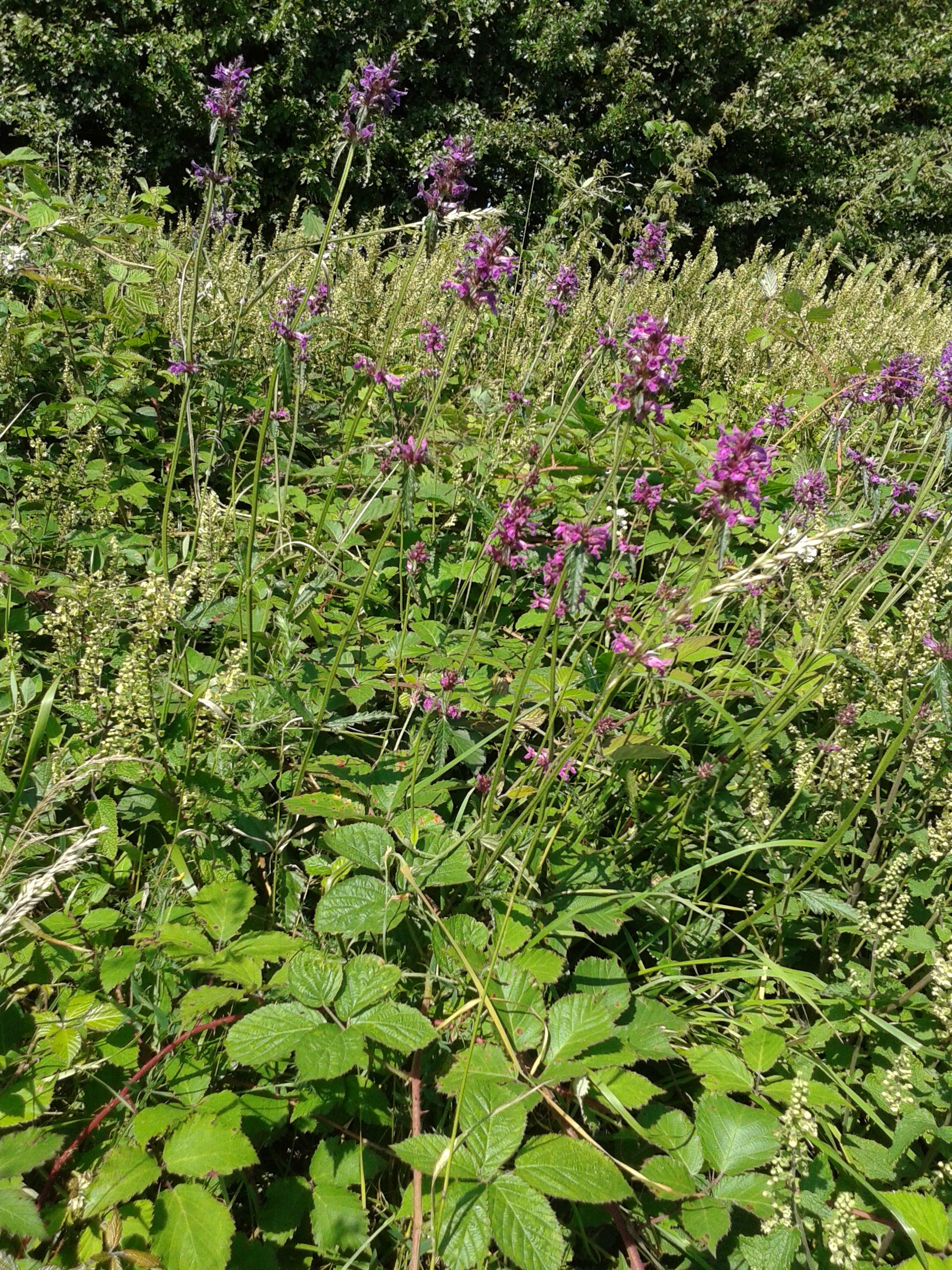
General Characteristics
Common names include wood betony, betony, purple betony, bishops wort, hedge nettle, Bitny.
Wood betony is a herbaceous perennial plant that has been in use as a medicine since at least the late Iron Age (around 400AD) but its medicinal qualities were well known and are mentioned by Pliny as far back as the 1st century AD. It is known to have been used in ancient Egypt too.
It is native to the UK, Europe, North Africa, Turkey and eastern parts of Asia but has been introduced to North America. It prefers a temperate climate.
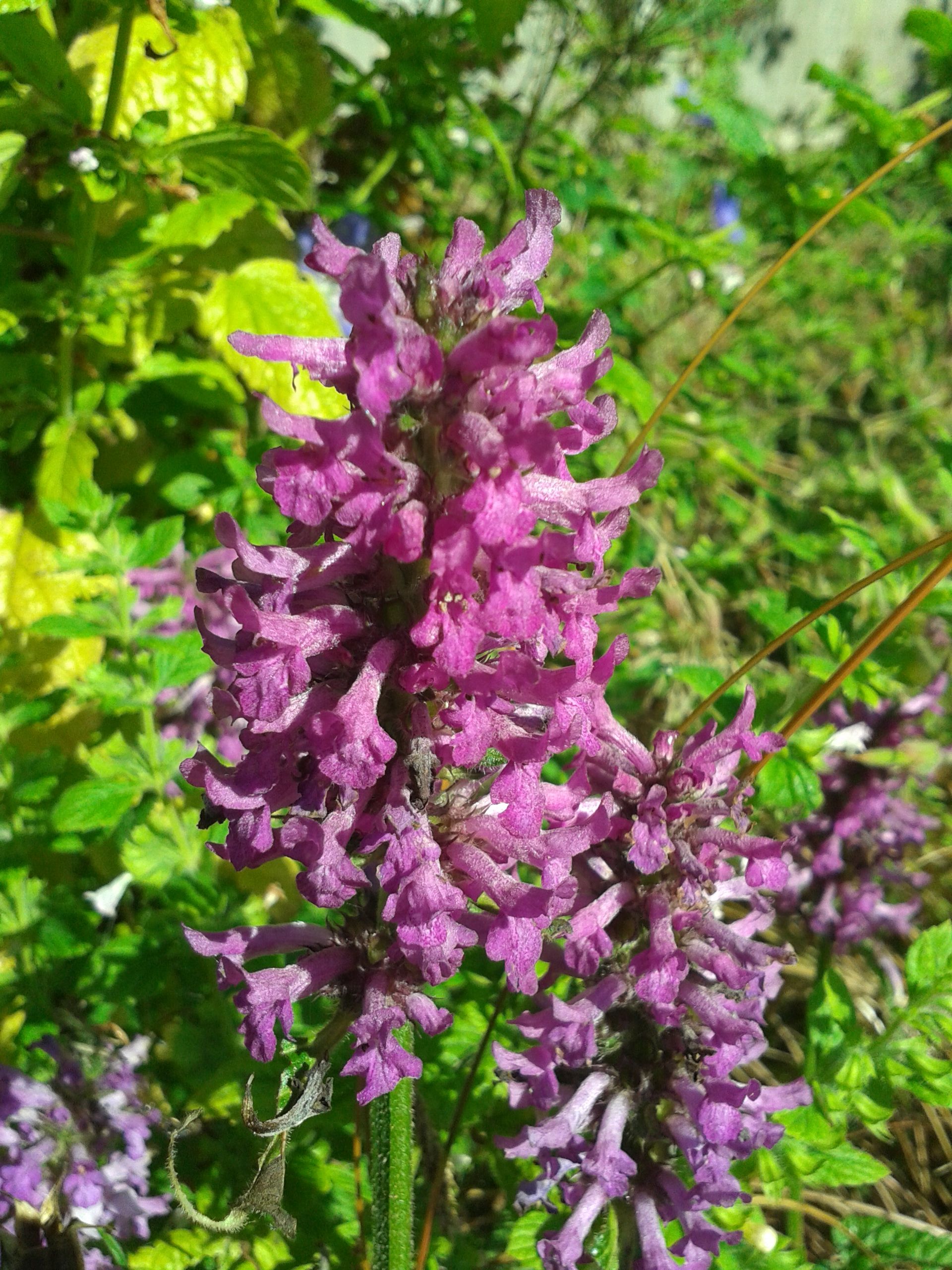
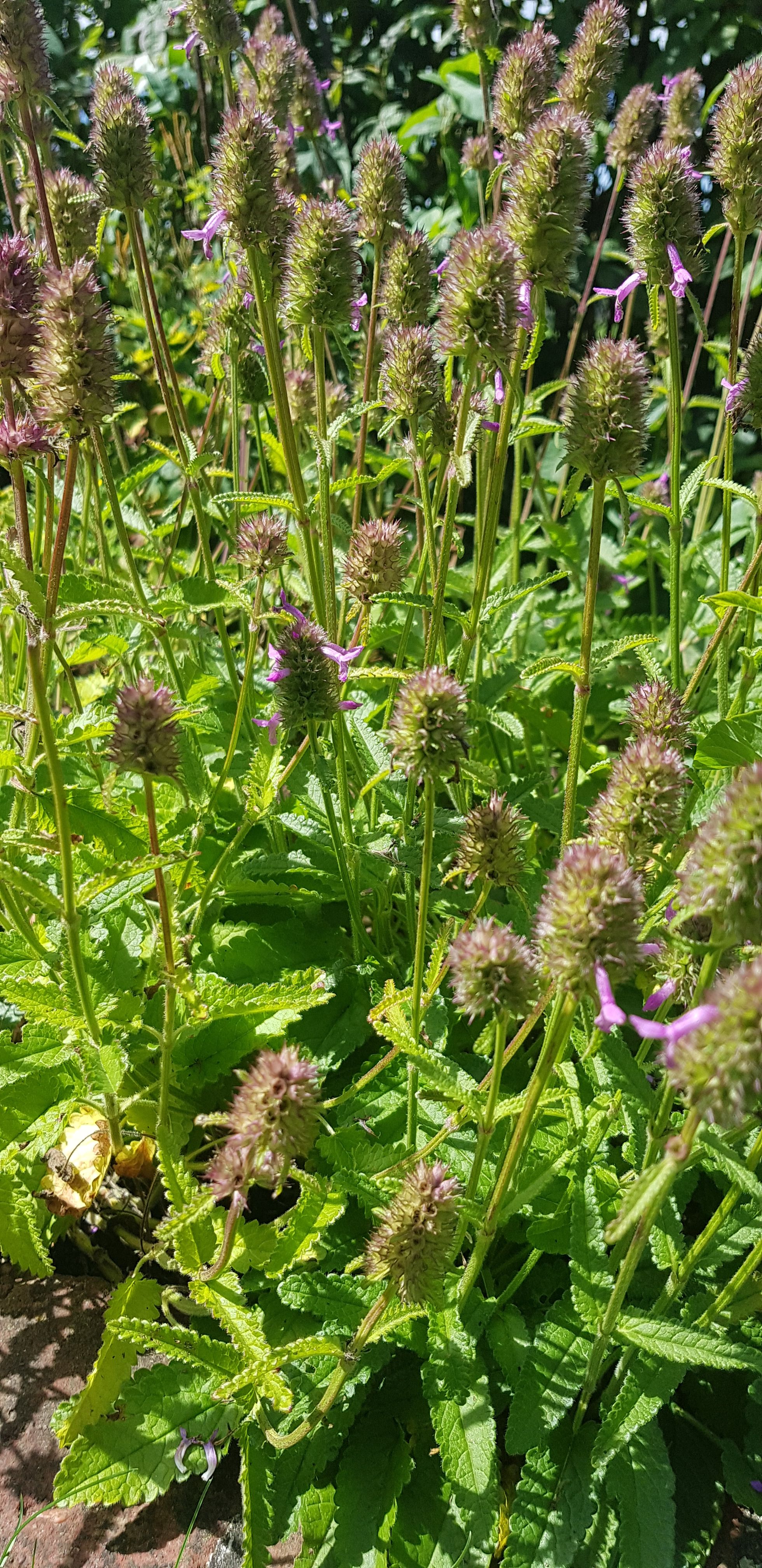
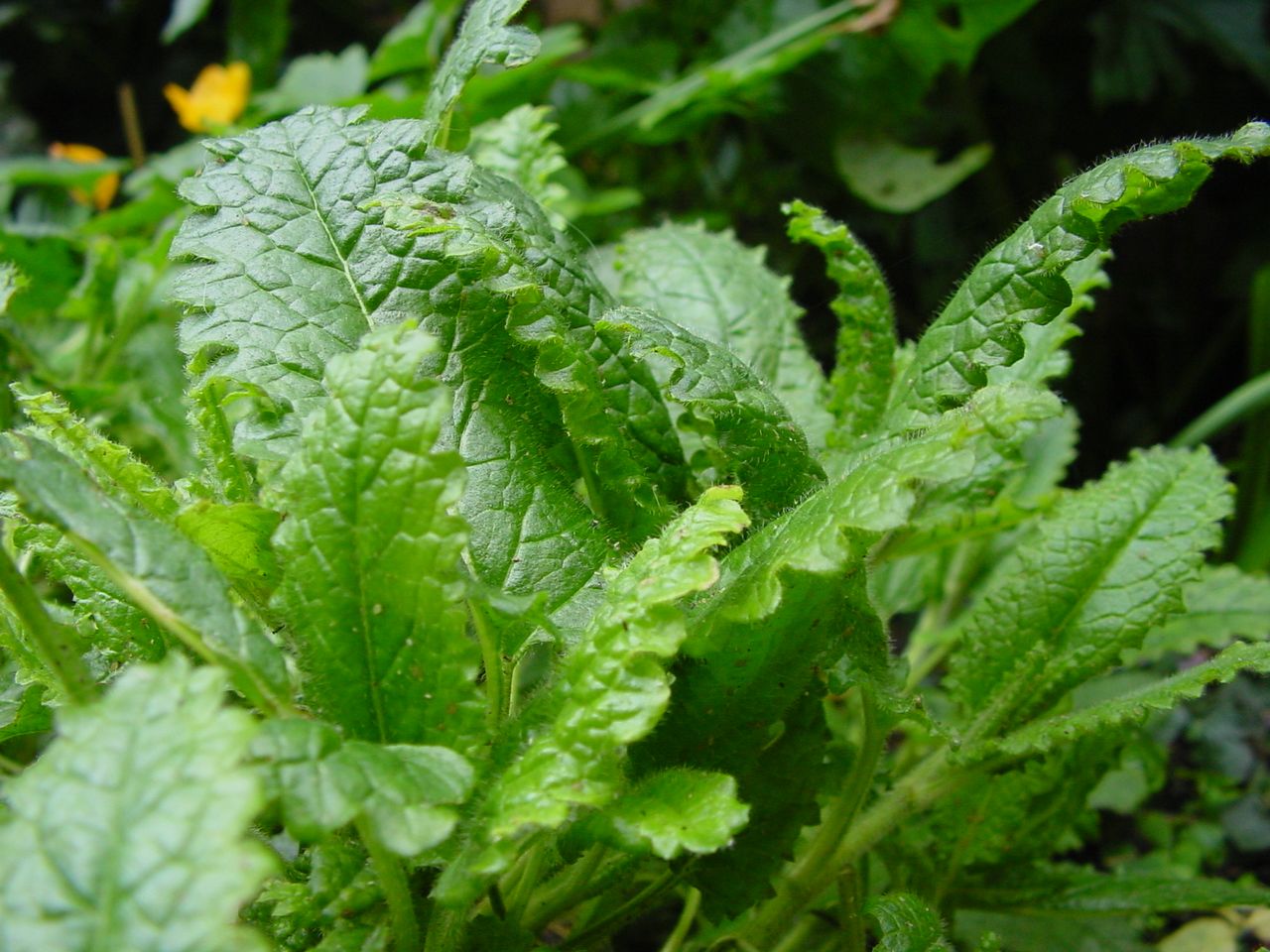
Wood Betony is a member of the Lamiaceae/Labiatae (mint) family. It usually reaches between 1-2 feet tall. It has the characteristic mint family square upright stem, bearing elongated oblong heart-shaped leaves with scalloped edges. The basal leaves near the ground are the largest, becoming smaller as they grow up the stem. The leaves are arranged in pairs either side of the slender stem in an alternating pattern with larger and larger gaps between the pairs as they approach the flowering spike. The flower spike consists of whorls of pretty lipped reddish purple flowers which are at their peak in July/August. The leaves are mildy aromatic which are reputed to be quite intoxicating to the enthusiastic gatherer of the fresh plant!
Despite the name 'wood' betony, it is most often seen growing on slightly shaded, sloping hedgerow banks or in meadows near the edge of woodland. It will also grow quite happily in shade but is often seen in quite open sunny field margins near hedges.
Harvesting and Preparation
The whole herb is used, cut or picked just above ground level when the flowers are at their peak (July/August). Pick them on a dry sunny day after the morning dew has been burned off by the sun. Hang in loose bunches indoors to dry. When fully dried, store in a cool dark place.
Therapeutic Actions and Uses
Wood Betony has a very long history as a valued medicine and as a magical plant asscociated with protection from evil or unwanted influences and for use in love and dreaming spells.
'Sell your coat and buy betony' and special people were described as having 'as many virtues as betony'. Just a couple of quotes associated with the panacea like virtues bestowed on Wood betony. Beloved by Hildegard of Bingen, the German abbess of the 12th century, she credits betony with many virtues as did plenty of other herbal writers over the centuries. Brother Aloysius of 19th century Netherlands used Betony for epilepsy, excess acidity in the stomach, chest complaints, worms, poor appetite and fever.
Recent laboratory examination has found it to contains the alkaloids stachydrine and betonicine, as well as tannins and bitter components.
Wood betony has a special affinity for the head and acts as a prime tonic acting on any disorders or afflictions relating to the brain and head generally. Conditions that benefit from betony include headaches and migraine, dizziness, vertigo, menieres disease, fainting, convulsions, epilepsy, delerium.
A classic home remedy for headaches, nervous tension, anxiety and pain like sciatica consists of equal parts of Wood betony, Valerian root, Skullcap and Rosemary. Use about 15g of each, pour on 2 pints of boiling water, cover and allow to go cold. Take a tablespoon to a small wineglassful every couple of hours until relief is obtained.
Painkilling action in neuralgia, particularly on the nerves of the head and face but also including sciatica.
Inflammation of any kind
Congestion and catarrh
Gout and rheumatism, arthritis.
Calming and soothing nervous tension, anxiety and a sense of unease, it is an excellent all roeund nerve tonic providing relief from excessive tension in both the body and mind.
Excellent for dream recall yet also known to ease bad dreams and nightmares
Liver cleanse and for obstructive gallbladder conditions and jaundice
Digestive complaints like indigestion, heartburn, carminative to stomach an eases cramps anywhere in the intestines, improves the appetite.
Spleen tonic
Lowers blood pressure
Eating or chewing a few Wood betony leaves before consuming alcohol is said to prevent drunkensess but I havent tried this!
The fresh plant is excellent as a poultice for purulent wounds and ulcers and the bites and stings of venomous insects etc.
Dosage and Cautions
* Avoid during pregnancy due to uterine stimulation.
**Adult**
Tincture: 2 - 6ml in water up to 3 times daily.
Dried herb: 1 - 2 teaspoons per cup, up to 3 times daily.
**Children**
Add 12 to the child’s age. Divide the child’s age by the total.
Eg. dosage for a 4 year old .... 4 {age} divided by 16 {age + 12} = . 25 or 1/4 of the adult dosage.