Hair (general health)
General Charcteristics
Hair covers most of the body with the exception of the palms of the hand and the soles of the feet. We will focus here on the hair of the head and what it needs to be healthy and lustrous.
Hair is predominantly made of a protein (comprising the elements of oxygen, hydrogen, sulphur, carbon and nitrogen) called keratin, the same compound found in nails, skin and teeth enamel, and also has traces of magnesium, arsenic, iron, chromium and other minerals. The protein structure is held together by 3 different types of chemical bonds which can all be exploited and manipulated by cosmetic chemical processes such as perming, relaxing etc.
The hair grows from, and is rooted into, the skin via the follicle, a very complex little structure that is influenced by many factors such as blood flow, nutrition, hormones, age, genetics, nerve supply, drugs such as steroids, radiation, environmental factors, pesticides and herbicides, certain disease processes, stress, physical trauma and the immune system. Hair growth in itself is cyclical consisting of different phases based on growing, fixing, resting then shedding.
The function of human hair is to offer protection from environmental factors such as cold and bumps and scrapes. Body hair generally acts as a sensory feedback system between man and his environment (a bit like animal whiskers do), but click here for a fascinating article about how head hair can act as a sensory instrument.
Diet and Lifestyle
Plant fibre is crucial in both the prevention and resolution of haemorrhoids. Include plenty of fresh vegetables, fruits, beans, whole grains, nuts and seeds daily in the diet. Eat a good whole grain based muesli for breakfast with dried fruit and seeds in it.
Avoid eating large meals and chew your food thoroughly.
Eat plenty of berries and citrus fruits for their high bio-flavonoid content. Bio-flavonoids are great for the blood vessels.
Eat some live yoghurt (unsweetened) with fresh fruit in it daily.
Eat 2 organic apples daily. Apples are an excellent source of fibre and contain substances which help to soften the stool.
Drink several glasses of water daily or herb teas or fresh juices. Water softens the stool and makes passing it easier with less straining.
Avoid refined carbohydrates such as pastries, commercial cereals, sugary foods and white flour products like white bread and pastas.
Limit your intake of fatty foods, meats, coffee and alcohol.
Useful Herbs
The astringent herbs can shrink the piles back to normal size if applied regularly. Herbs that have astringent properties include oak bark, red raspberry leaves, elder leaf, yarrow, mullein flowers, horse chestnuts (crushed), pilewort and figwort. Soak equal parts of each herb in a pint of hot water and leave to stand for several hours. Whizz in a blender, strain off the liquid (discarding the herbs) and apply it to the anus regularly.
To soothe painful and bleeding piles use comfrey root or leaf as a paste, applying to the anus twice daily.
Apply distilled witch hazel regularly for its astringent and soothing effects.
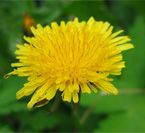
A cup of dandelion root tea daily will also help by acting as a deigestive tonic and toning veins.
Try drinking a cup of chickweed tea daily and using the spent cooled herbs as a poultice over the piles.
Take a teaspoon of chilli powder (cayenne) in a little water every day to provide circulation boosting effects that often resolves and prevents piles. Start with a pinch and work up slowly.
Prickly ash increases circulation in a similar way to chili and has more lasting effects.
Ginkgo can be added to other formulas.
Regular nettle and oatstraw tea will help to tone up blood vessels and shrink the piles.
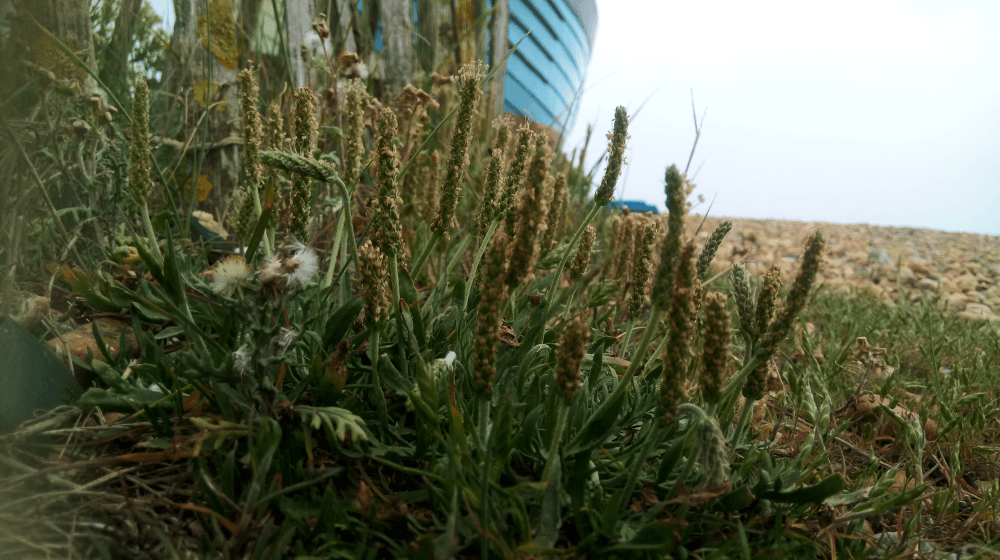
Psyllium seeds (Plantago ovata) can be taken daily to provide an excellent source of bulk fibre to soften the stools and make their passage far easier. Start slowly with half a teaspoon of seeds in a full glass of water and drink it down, increasing over the days to up to 2 teaspoons per glass. Drink plenty of water in the days that you are taking psyllium as the seeds swell and absorb large amounts of water.
Occasional use of cascara bark can help with constipation and bulk up and soften the stools if straining is causing the piles.
Natural Healing
Dab some neat cider vinegar on the haemorrhoid to provide relief from itching and to help shrink them. Drink a teaspoon in water also, twice daily.
An old Russian remedy is to gently insert a peeled clove of garlic into the rectum and leave in overnight. Scrape the clove of garlic gently with a knife before inserting to release the healing oils and juices. It stings for a little while but sufferers swear by its swift effectiveness.
Insert a vitamin E capsule into the rectum morning and evening.
Avoid sitting for prolonged periods. If your lifestyle or job involves hours of sitting, break regularly for a brisk walk or some vigorous movement of some kind.