General Charcteristics
An ingrown hair (pseudofolliculitis barbae) is a hair that gets trapped under the skin and continues to grow, usually in a coiled fashion but sometimes in a line, just beneath the skin surface.
Ingrown hairs usually result from shaving and hair removal techniques when the new hair begins to grow but the growing tip does not make it through the follicle opening onto the skin. They occur in areas where the hairs are coarser and are regularly removed, such as around the beard area of the face and neck in men and around the armpits, legs and bikini. They seem to be more common in people with coarser textured or tightly curled hair.
They can be seen as little bumps that may start off slightly red then progress to a darker colour as the hair grows longer. Sometimes the bump can become inflamed, red and painful, indicating that infection has set in. They can also occur in groups and present as a sore, red skin rash initially.
Diet and Lifestyle
Many people report the cessation of ingrown hairs after taking good quality fish oils regularly.
Useful Herbs
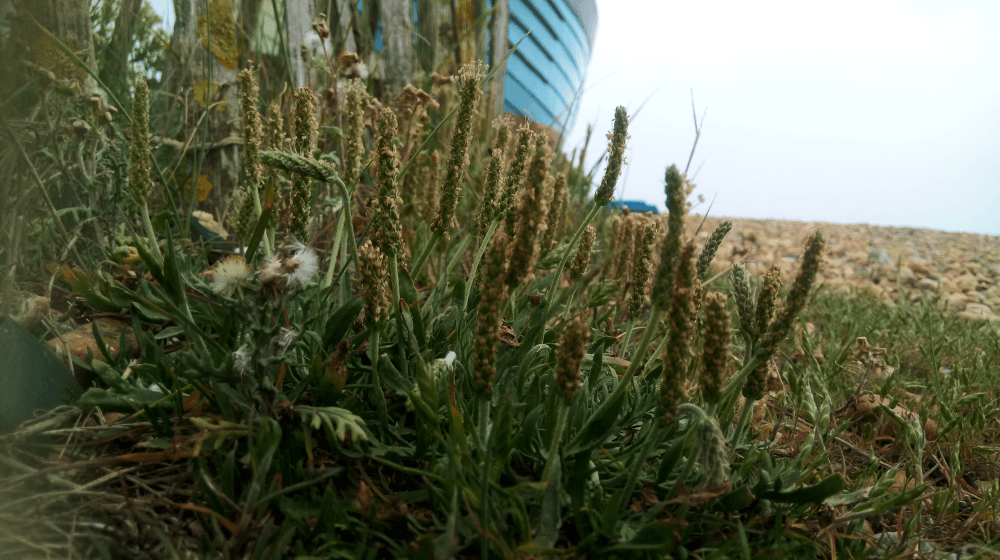
Apply a homemade ointment made from olive oil, beeswax, plantain leaves, chickweed and lavender essential oil before hair removal.
Make a skin wash using tinctures of meadowsweet, willlow bark and echinacea (equal parts) with a few drops of golden seal tincture or powder. Dab over the skin after hair removal. Many commercial ingrown hair treatments contain salicylates (aspirin like compounds) and the first 2 herbs in this formula also contain these substances and work very well. The echinacea and goldenseal help prevent or heal any infection present.
Clean the skin with distilled witch hazel after hair removal, the astringency tightens the skin and makes ingrown hairs much easier to tweezer out and less likely to form.
If the hair grows inwardly and begins to show signs of infection, try a poultice made from plantain leaf and marshmallow root powdes and apply to the area. Thia mix will draw out the hair and any pus there may be.
Slippery elm powder can be made into a paste which will help to draw out the hair and any infected material.
Natural Healing
Many people report excellent results with apple cider vinegar (always use a brand that is 'with the mother'). Effective doses vary from a teaspoon in an 8oz glass of water morning and evening, to a tablespoon in water after meals or 3 times daily. It seems to encourage a higher percentage of good to bad bacteria in the bowel and does not have to be taken indefinitely, just until positive results are achieved.
Activated charcoal powder has positive effects for some people. About a tablespoon daily seems to be the average dose.
Probiotics, the 'good' bacteria helps many people with IBS. The strain Bifidobacterium Infantis (present in breast milk) has shown very promising results. The Lactobcilli strains seem more effective for IBS sufferers who tend towards diarrhoea.