Meadowsweet
(Filipendula ulmaria)
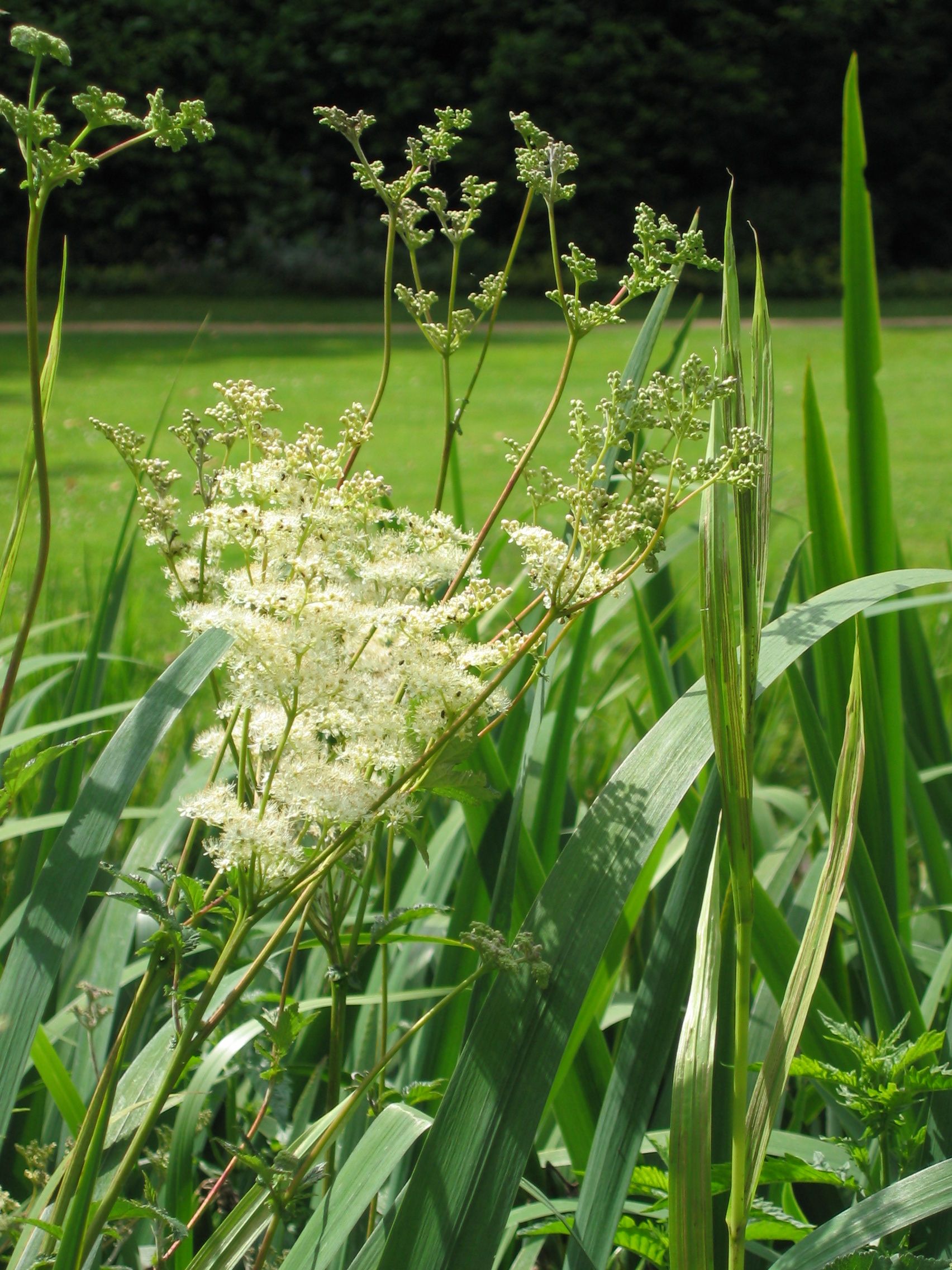
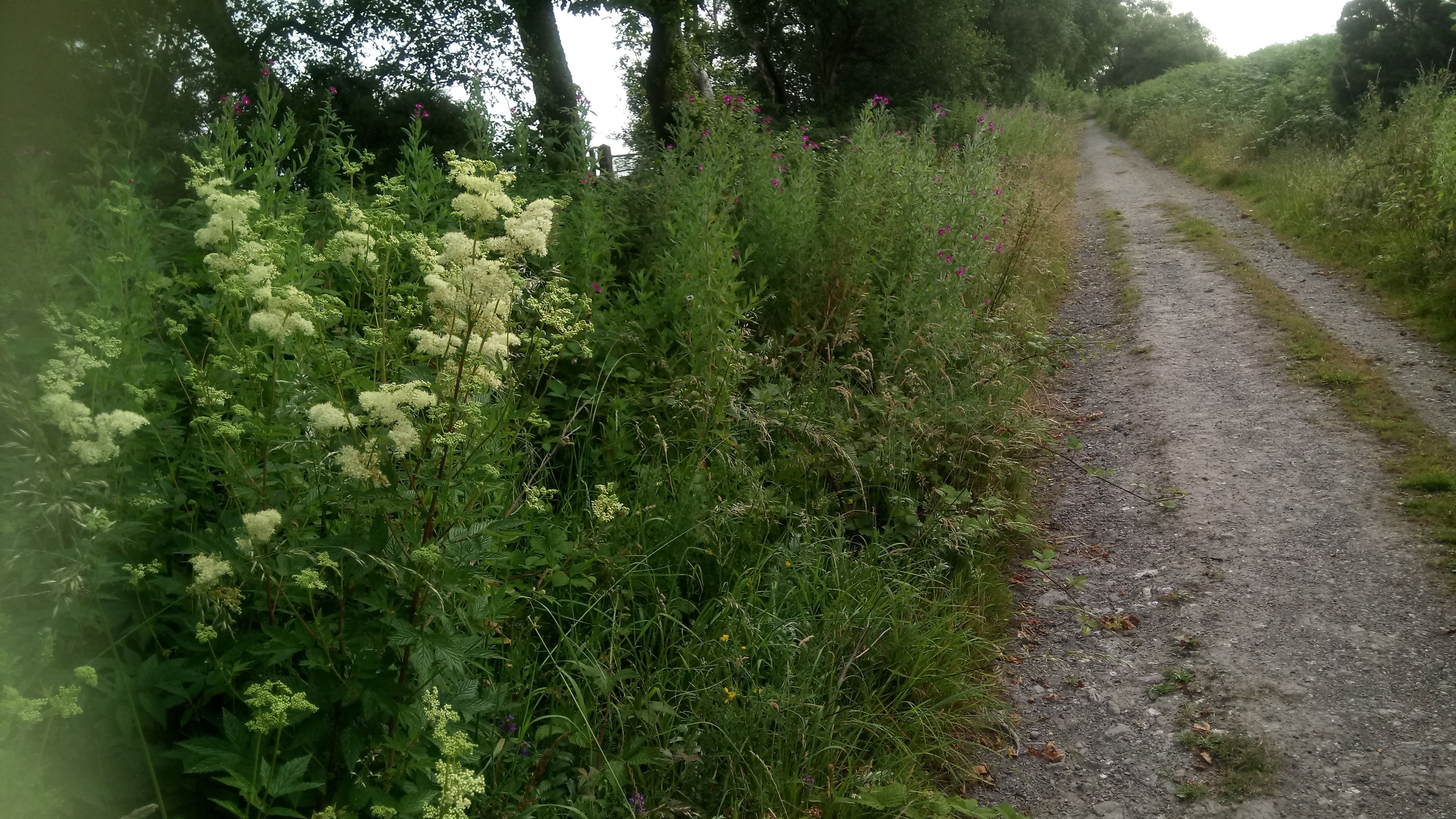
General Characteristics
Common names include meadowsweet, queen of the meadow, drop-wort, bride-wort, lady of the meadow, mead-wort, Lady-of-the-meadow, Medwort, Dolloff. Previously known by a different Latin name, Spiraea ulmaria.
Meadowsweet is a herbaceous perennial plant (dies right back in winter) belonging to the Rose family. Its native range is Europe and the UK, temperate Asia and Mongolia and is now naturalised in North America.
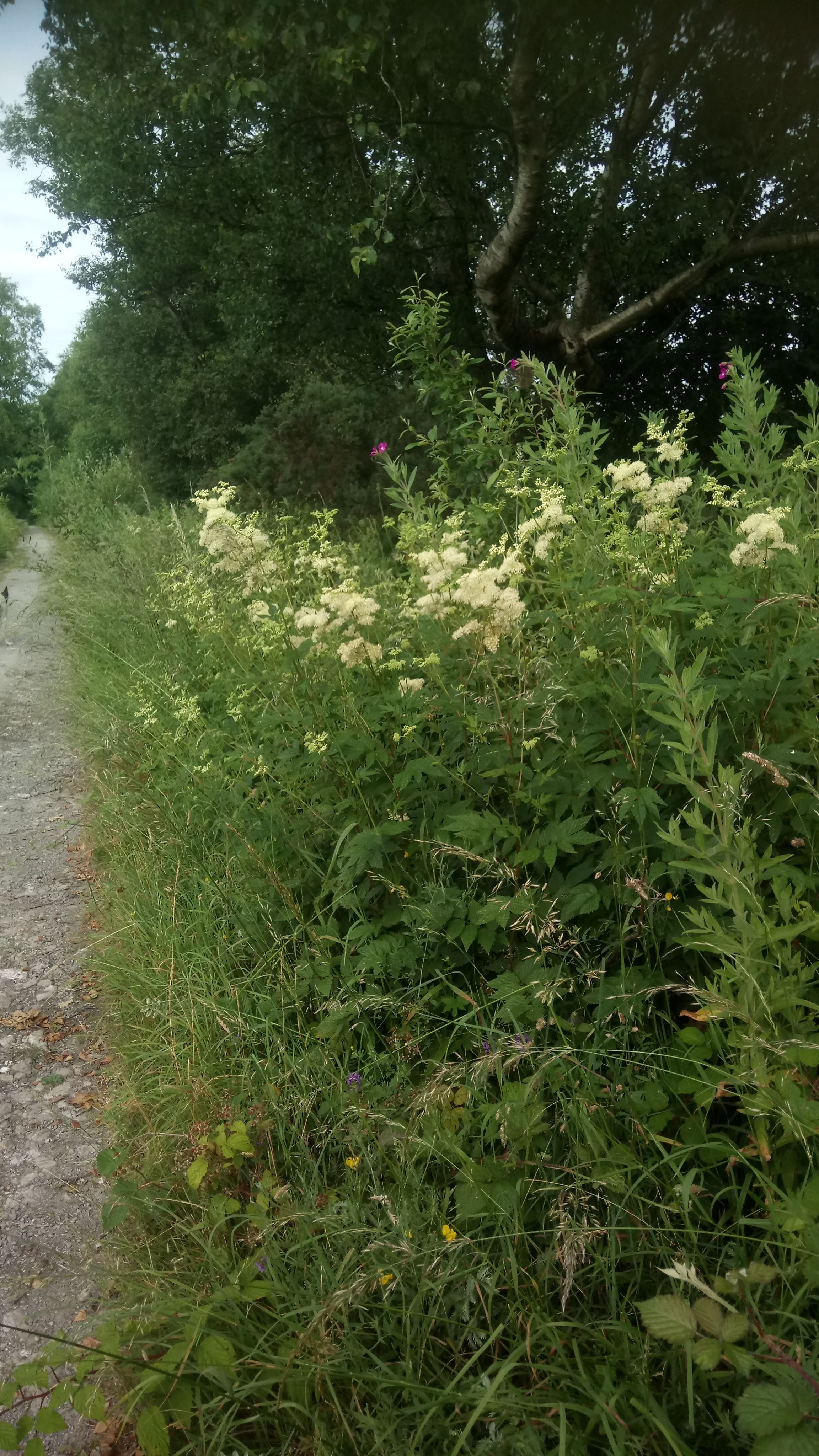
It is a common sight along damp hedgerows and field margins, along streams and ditches, meadows (rarer than you think nowadays in the UK) and almost anywhere that is open, sunny and has wettish ground.
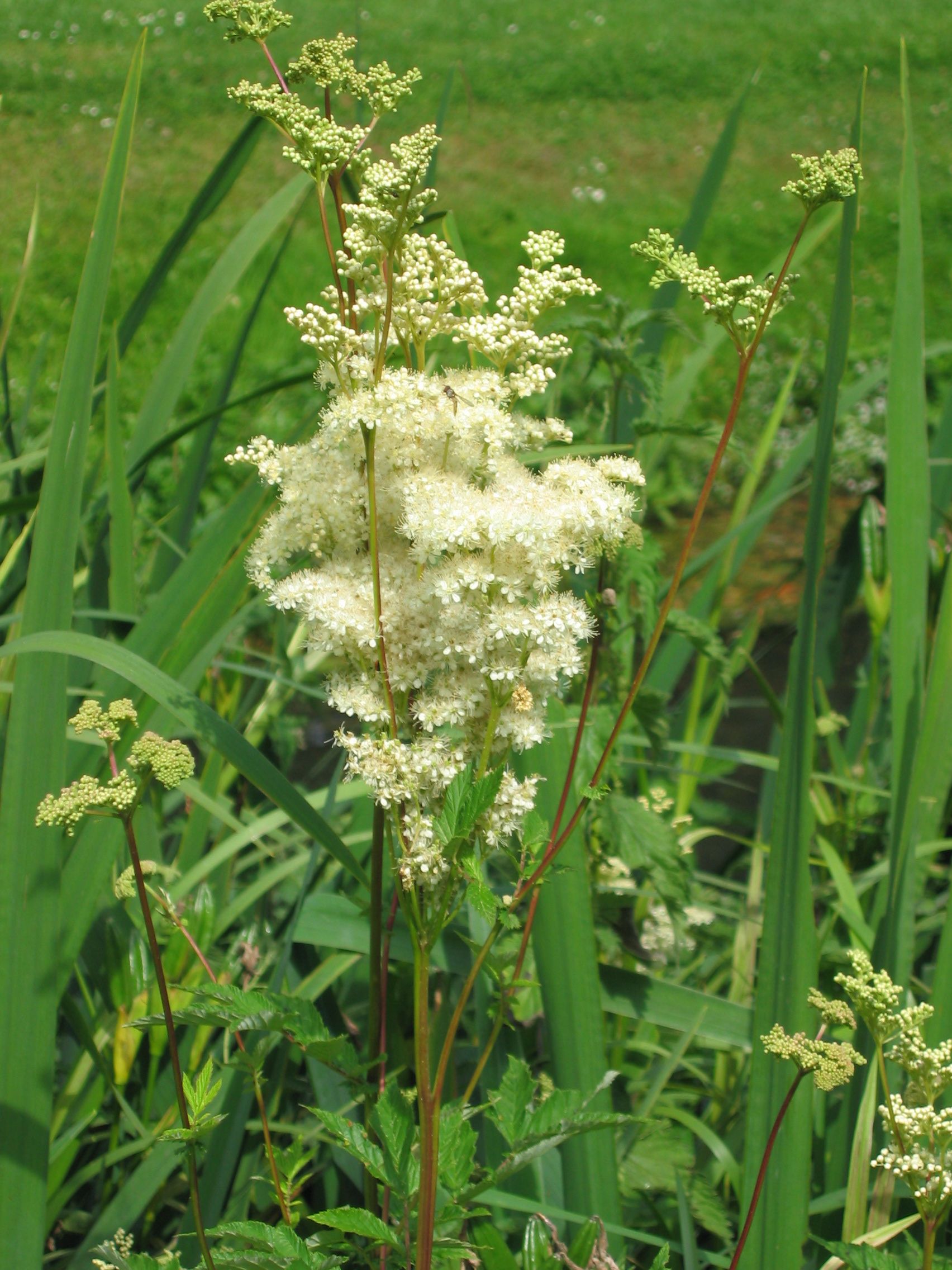
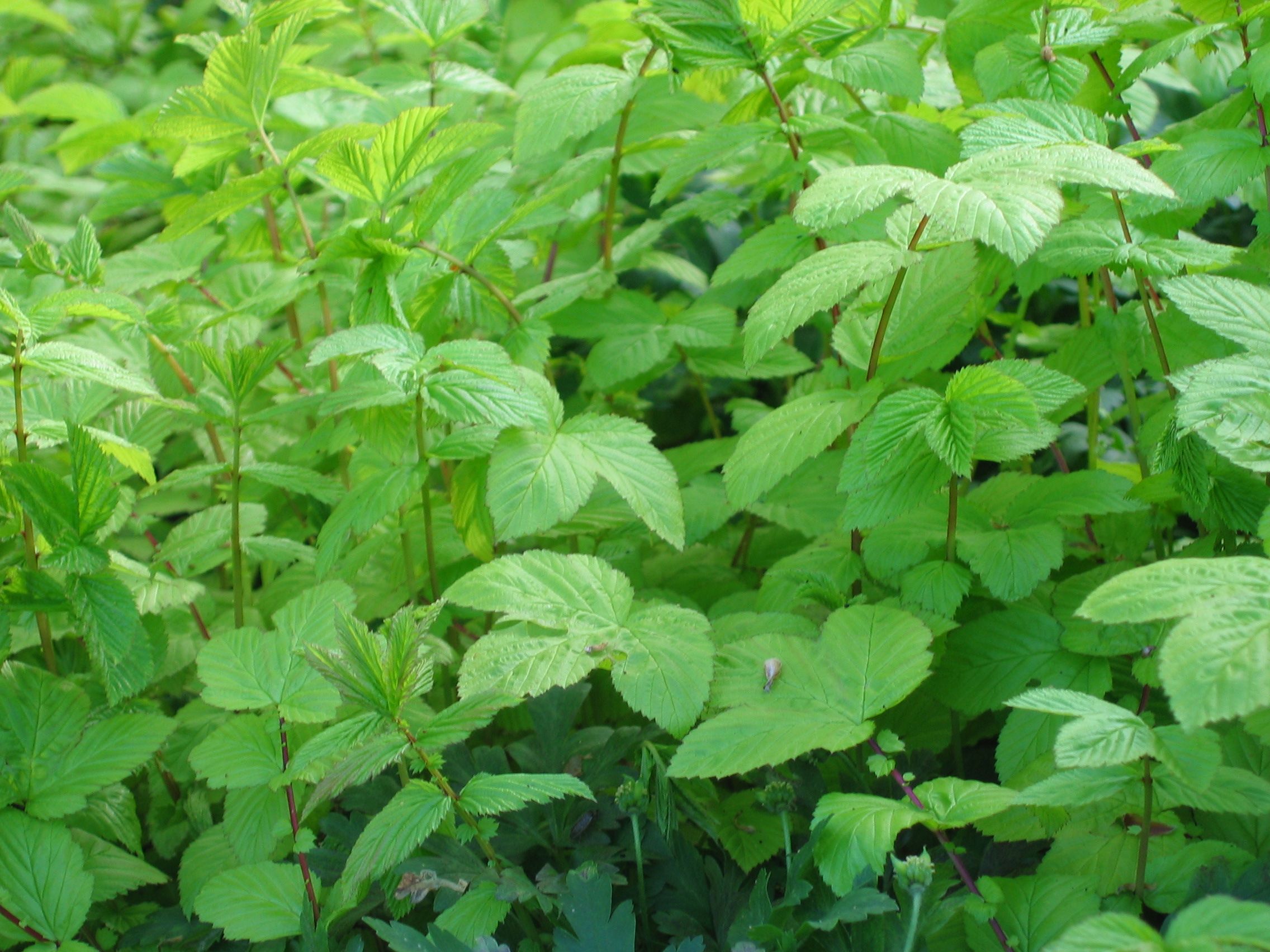
From the dark green basal leaves that appear in spring, it sends up a tall pinkish red stalk up to 2 metres tall with a dense cluster of frothy creamy white flowers at the top. The flowers open from June to August and have a rich sweet smell (with a hint of TCP!) that were often used as a strewing herb (thrown around the floors of dwellings to perfume and fumigate the rooms) in times past. The leaf stalks are distinctively red in colour with deeply indented dark green leaves that grow more or less in opposite pairs along the leaf stalk, terminating in a cluster of 3 leaves. A very distinctive feature are the tiny little leaflets on the stalks between the main leaves.
I grow it in my garden in a dampish area in semi-shade and it does pretty well, each year the clump grows larger. The leaves can get hit quite hard with powdery mildew if the ground is too dry but cutting back the aerial parts will encourage fresh leafy growth. The mildew does not tend to spoil the flower heads.
Organic meadowsweet dried herb and tincture are available to buy in our herbal shop.
Harvesting and Preparation
The whole flowering head, stalk, lower leaves and root can be used but often just the flower heads are harvested for medicinal purposes.
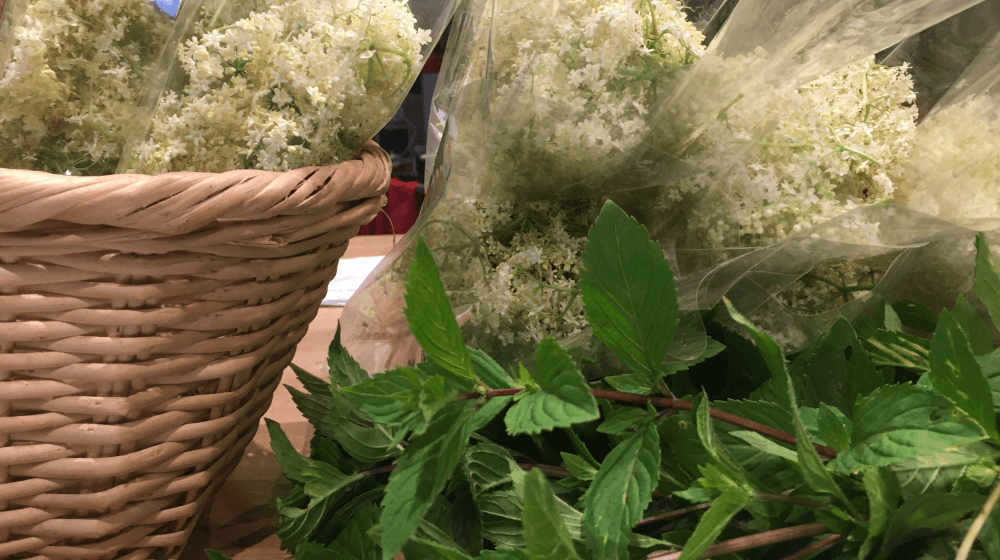
Collect flower heads when they are full flower and in good condition, before any of the individual flowers begin to turn brown. Prune off the flowering heads and stalks with a few leaves, hang upside down to dry for several days before crumbling through fingers and storing in an airtight jar. They tend to have many little critters inside the flower clusters so a good shake before bringing indoors is advisable.
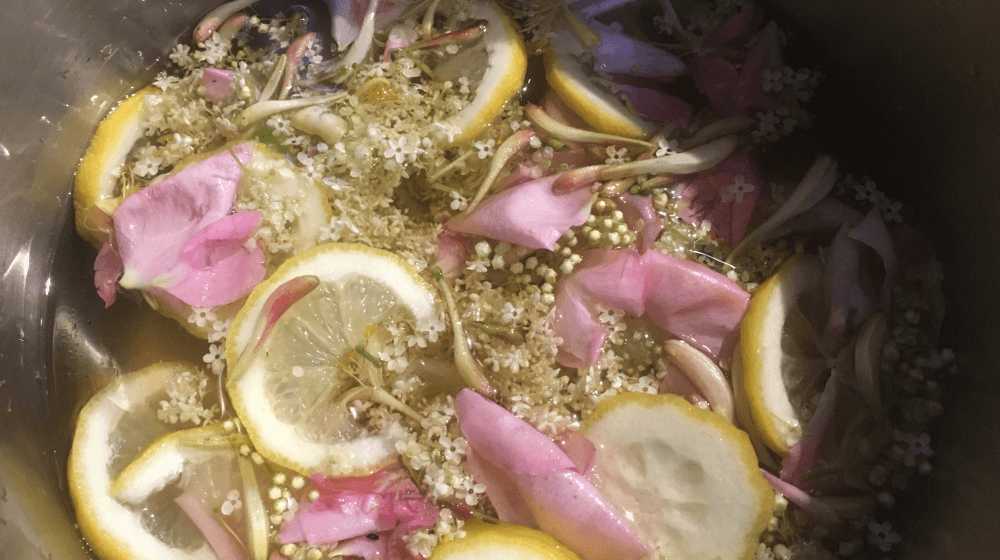
The fresh or dried flowers make a tasty cordial and beer.
Organic meadowsweet dried herb and tincture are available to buy in our herbal shop.
Therapeutic Actions and Uses
Meadowsweet has been in use as a medicine and sacred ritual herb for many hundreds if not thousands of years, revered for both its medicinal and magical purposes by the druids and Anglo-Saxons alike. Not only does it encourage blood flow and fluid movement throughout the body, it encourages energy movement too.
Many years ago during my Herbalist training, I was participating in a 'plant spirit' workshop where we would attempt to connect with the plants 'spirit' or essence. We were encouraged to go outside and pick a plant we didn't know well already to try and connect with. I chose Meadowsweet. The workshop began and we were told to relax our minds and just quietly ask to connect to the spirit of the plant and see if anything came forth. The leader of the group drummed the whole time, about 45 minutes i think, and we were asked to share our experiences at the end of the session. Typical for me, I spent almost 44 minutes worrying that nothing was coming through to me, I was rather worried i would be the only person in the group to have nothing to share. Eventually, I decided that was ok and just relaxed for the remaining few minutes when suddenly, as my mind finally let go, something flashed strongly through my minds eye. A sort of Gibbon like creature with long and incredibly strong arms was swinging through my field of vision. I was 'told' to pay attention to the joints of the creature, how easily it changed direction, effortless motion, fluid and poetic and I was aware that this applied to both physical movement and also emotional. It literally happened in a flash but that was all I needed. I now knew that Meadowsweet was a fine remedy for joint health but also for emotional health, when we need help coping with big changes and new directions in our lives. This plant is the ultimate ally to work with on any level, either by consuming the plant or by tuning in to it and humbly asking for emotional strength when changes in our lives push us off balance and make us feel vulnerable. I absolutely knew immediately that I was not imaging this meeting with the Meadowsweet spirit - it was a magical insight into the depth of its medicine and has been proven many times over in my herbal practice. Interestingly, when looking up various references for writing this article, I came across this page in a book I was given many years ago, 'The Spiritual Properties of Herbs' by Gurudas (published by Cassandra Press, San Rafael, CA) on the spiritual properties of Meadowsweet. There is increased ability to be flexible and change direction" and it mentions being useful for people who are leaders, work in groups and to maintain the outcome of any project whilst having the insight and flexibility to react to changes. How perfectly aligned with my own fleeting experience! Flexibility and strength of movement in both body, mind and spirit. This same book also mentions that the plant energises the throat chakra and empowers us to deliver our messages. Needless to say, since my very first magical encounter with Meadowsweet, it has become one of my firm favourites.
Salicylic acid (from which aspirin is derived) was first isolated from the plant in 1839. Bear in mind that whilst the isolated drug that it became - 'Aspirin' - has been directly linked to increased likelihood of gastric bleeding, the whole plant is a specific almost for preventing and resolving bleeding issues in the stomach and digestive tract.
The flowers and leaves are rich in salicylate, water soluble polysaccharides, tannins, anti-oxidants, polyphenols, volatile oils and contain nutrients such as magnesium, calcium, iron, manganese and zinc as well as amino acids, organic acids (citrus acid, malic acid etc) and phenolic compounds.
Its actions include anti-inflammatory, astringent, anti-coagulant, mild bitter tonic, anti-rheumatic, aromatic, stomachic/balances stomach acid/gastro protective, diaphoretic, anti-pyretic, diuretic, overall it is gently cooling.
Painkiller, often labelled 'natural aspirin'. Meadowsweet can be used as a painkiller but works via its anti-inflammatory action and its ability to lower heat, heat and inflammation being prevalent in many painful conditions. Its ability to create movement in the blood and fluids will also help with dispelling heat and inflammation too. Certain types of headache can be eased, especially if they are of a hot and throbbing kind of pain.
Meadowsweet is also a blood thinner and mover, encouraging healthy blood circulation throughout the entire body, preventing conditions that lead to clotting and clumping of the blood. It contains a heparin like substance and can therefore be valuable in treatment of blood clots, angina, atheroma, embolisms, as a stroke preventative and for any condition where the blood is thick, sludgy and prone to clumping.
Meadowsweet also has an affinity with the joints of the body. It strengthens joints yet also encourages flexibility coupled with its anti-inflammatory actions. It also clears uric acid from the system and joints so is great for gout, arthritis, rheumatism and indeed any painful joint condition. RSI, spondylosis, strains & sprains, carpal tunnel syndrome, bursitis and sciatica for example. Use the tea as a compress on corns to lessen inflammation and pain.
One of its actions is to relieve heat within the body thereby making meadowsweet a cooling herb. It makes a good brew for bringing the temperature down in fevers. It would be a really useful addition to any tea formula aimed at colds, flu and any feverish condition as it opens the pores of the skin and allows the heat to disperse. Would make a nice cooling tea when mixed with peppermint and hibiscus for example on a very hot day.
Meadowsweet has a very strong affinity to the stomach generally and contains chemistry that actively protects the stomach from ulcer formation. It balances stomach acids, soothes heartburn, gastritis and gastric reflux, treats stomach and duodenal ulcers, eases indigestion, prevents and treats H pylori infection. It will assist in healing leaky gut issues too as well as benefit colitis and diverticulitis/diverticulosis. You will see it described as a herbal ant-acid but in truth meadowsweeet will gently normalise gastric acid production and secretion, encouraging more acid if there is not enough or reducing production if there is too much. Its astringency also makes it an excellent remedy for any gastrointestinal bleeding. It is a real tonic that encourages good secretions of digestive juices, heals the gut wall, eases inflammation and can improve bad breath if it occurs due to faulty digestive processes.
The infusion can be used as an eyewash for sore, inflamed eyes and for styes, infections etc.
The flower infusion also makes a great skin wash for any skin type and improves the complexion. Due to its salicylate content, it could help to soothe angry inflamed skin and skin conditions such as acne. I have treated plenty of people prone to ingrowing hairs around the bikini or armpit area (usually resulting from hair removal) with meadowsweet tea compresses. Always test a tiny patch of skin first as it may cause a reaction in those susceptible to salicylates.
Meadowsweet can be used in urinary tract infections such as cystitis & urethritis and due to its astringency is useful for urinary incontinence and for helping the body to maintain proper fluid balance. It can have positive effects against kidney and urinary stones and generally benefits the kidneys.
* Meadowsweet makes good tea for childrens diarrhoea, though many sources state to use with caution or to avoid completely in children under the age of 12. Historical use points to it being a safe remedy when used as an occasional remedy with other herbs like chamomile in tea form for childrens diarrhoea, maybe for a day or 2 and then stop. Also be mindful of a childs dosing being considerably less than an adults dose, see dosage and cautions section.
There is increasing evidence that it offers a neuroprotective effect, improving cognitive function, easing anxiety and could play in role in the treatment of conditions like Parkinsons, Alzheimers & dementia. This is thought to be due in part to the presence of a flavanoid named Afzelin, a potent antioxidant. More on this here.
Immunomodulator, seems to stimulate the immune system so is a useful herb for formulas aimed at treatment of colds, flu and other conditions caused by pathogens.
Meadowsweet leaves and flowers show definite anti-cancer action against many different cancers such as breast, colon, melanoma, cervical and non-small cell lung cancers. Cervical cancer seems to be particularly responsive to meadowsweet, most studies cite an ointment was used but a tea used as a douche or herbal bath could work just as well.
Dosage and Cautions
* Conventional advice is to avoid if you have a sensitivity to Aspirin or salicylic acid.
* Conventional advice also states to avoid Meadowsweet if taking other blood thinners such as warfarin, antiplatelet medication. "However, there are no reports of interactions between meadowsweet and NSAIDs or any other blood thinners, and concerns regarding the simultaneous use of NSAIDs and this herbal supplement remain theoretical", link here. Do be cautious though, better to be safe than sorry !
* May exacerbate asthma, use with caution.
* Use with caution during pregnancy and breastfeeding, there are no studies stating it is not safe however, just be mindful of its actions and chemical composition.
* Use with caution in children under 12 years of age, again no formal studies to suggest it is unsafe but it is now suggested not to give aspirin or any herb containing salicylates to children under 16 even due to a possible causation of Reyes's syndrome. I came across 1 anecdote of gastric bleeding in a child who may have been susceptible to aspirin like substances, this was a multi-herb formula and contained both meadowsweet and willow bark (both contain salicylates). Historical use suggests it is safe to use as a tea in children for diarrhoea but it may be safer to avoid altogether in children.
Adult
Tincture: 1-4 ml up to 3 times daily
Dried herb in tea form: up to 1 teaspoon of herb per cup, up to 3 times daily.
Use as a compress, soak a cloth in the strong tea and place over painful inflamed areas.
Children
* Use with caution in children under 12 years of age - see note above.
Add 12 to the child’s age. Divide the child’s age by the total.
Eg. dosage for a 4 year old ..... 4 {age} divided by 16 {age + 12} = . 25 or 1/4 of the adult dosage.